Concrete Parking Lot Building in San Fernando CA - a lot that holds its shape for years
Worn asphalt, potholes or water sitting where cars park? We build concrete lots that shed water and stand up to daily turning traffic.
What goes into building a concrete parking lot in San Fernando?
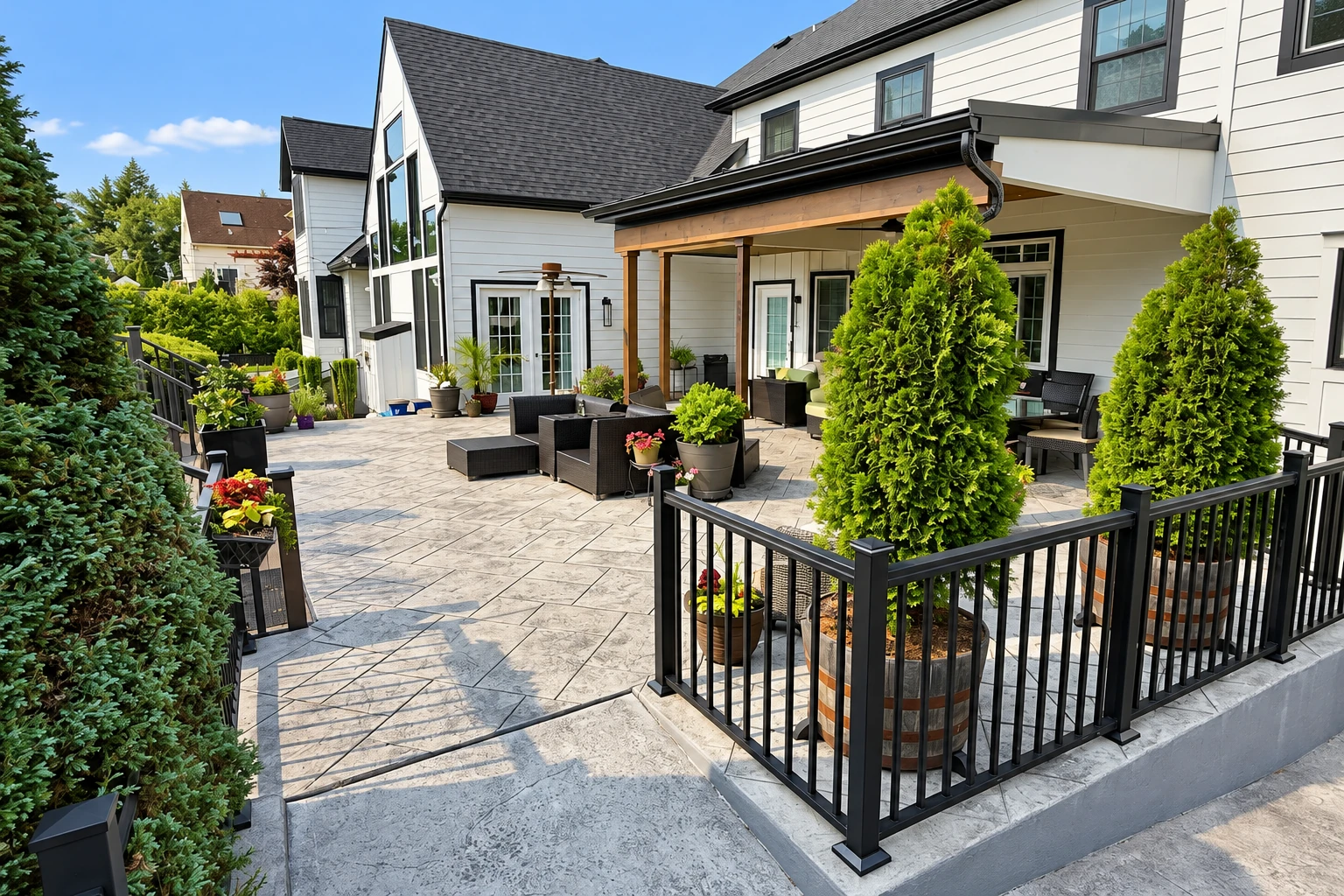
Concrete parking lot building in San Fernando means we form, pour and finish a concrete surface for your cars and trucks, one that holds its shape as vehicles turn in and back out, day after day.
Maybe it's a gravel lot that turns to mud, or old asphalt with potholes where every car swings in, behind a small office, a shop or a few units you rent out. The price mostly comes down to the size of the lot, what has to come out first, how much work the ground needs and what's going to drive on it, and the schedule turns on any permit review and the cure before cars go back on. Your estimate spells out the prep, the work and the cleanup for your site. If the plan includes a wall or light poles, we can pour the concrete footings too, and if a building there has a slab that's sinking, foundation raising is worth a look while I'm out.
How do you know your lot needs new concrete?
Most people call us when the lot they have stops working, because it won't drain, won't hold up to the trucks or has gotten rough enough that tenants and customers complain.
Ruts and shoved ridges where cars turn usually mean the asphalt is softening and moving under the wheels.
Puddles that sit for days after rain usually mean the lot has lost its slope or settled.
Potholes that come back after every patch tell you the base underneath has given out, not just the top.
Edges breaking up where garbage or delivery trucks pull in usually mean the pavement wasn't built for that weight.
A gravel or dirt lot that turns to mud after rain and dust in summer needs a hard surface.
Slabs that have sunk or tipped, with water running toward a building, usually mean the ground underneath moved.
If water runs toward a building or the surface breaks up where people walk, call now, because those usually get worse with every rain and every truck.
What happens after you call about a parking lot in San Fernando?
From the first call to the final walk-through, you deal with me, and our own crew does the work. Here's how a lot job usually runs from start to finish.
Call and walk the site
You call or send a message, and I come out to walk the lot with you, measure it and go over the layout, any plans and how vehicles get in. I'll ask early what's going to drive on it, trash or delivery trucks especially, because that shapes the whole plan.
Get a written estimate
You get a written estimate that spells out the prep, the work and the cleanup, so you can see where the money goes before you decide anything. If something about the ground or drainage worries me, it goes in the estimate, not in a surprise later.
Set the date and permits
Once you're ready, we pick a date and pull any permit the job calls for, working with the city through plan check and inspections. The city's permit counter offers in-person help Monday through Thursday and doesn't promise permits on the spot, so we plan that wait into the schedule.
Pour, cure and walk through
Our crew does the work with me on site, from digging out and packing the base to the pour and the finish. Curing, the wait while fresh concrete gains strength, decides when cars can go back on it, and we walk the finished lot together before we pack up.
Get a written estimate for your parking lot
Tell us the lot's rough size, what's on it now and what will drive on it, trucks included. We reply within one business day, and I come out for a free on-site estimate with no obligation.
- Call
- (818) 806-6170
- Hours
- Mon–Sun: 8 AM–9 PM
Base, steel and joints under a concrete lot
The part I care most about is the one you won't see, the subgrade, which is the ground the slab sits on. We dig out the soft soil and pack the base firm instead of raking dirt level, a lesson I picked up early as a helper. When a budget gets tight, that's where people want to cut, and I'll talk you out of it, because a nice finish can't fix a slab that settles.
Where garbage or delivery trucks will run, we plan a thicker slab and a heavier base along their path, and rebar, the steel set inside the concrete, helps hold it together under the load. Control joints are the lines we cut so the slab cracks along them instead of wherever it likes, and it's fair to ask where yours will go. A broom finish, the light texture on most lots, gives tires and shoes some grip.
Concrete sheds water with only a slight tilt, so we set the fall to carry water off the lot and away from your buildings. For overflow parking, a Los Angeles County Public Works manual suggests pervious pavement, such as porous concrete that lets water soak through, where it's feasible. San Fernando also recently approved new zoning rules and design standards for new and existing development, so we go over your layout and plans before we price anything.
Parking lot questions property owners ask us
How much does a concrete parking lot cost in San Fernando?
The price comes down to the lot's size, what has to come out first, how much work the ground needs and what's going to drive on it. Trucks call for a thicker slab and base where they run, and tearing out old asphalt or working around tight access adds labor, while a simple lot for everyday cars on decent ground costs less. I give you a number once I've walked the site.
How long does a concrete parking lot last?
An industry guide says concrete parking lots typically last 20 years or more, so you can plan yours as a long-term surface. That's a typical figure, not a promise for every lot, and the base and drainage under yours have a lot to do with where it lands.
What upkeep does a concrete parking lot need?
Concrete needs fairly simple upkeep, and on a lot that mostly sees everyday cars, the main thing to watch is wear in the concrete itself. Keep an eye out for chipping or a surface that starts to break down, and call me if something looks off, even years after we're done.
What is the best way to prepare the ground for a concrete parking lot?
Dig out the soft soil and pack a firm, even base before any concrete goes down. An Indiana highway paving manual puts it plainly, saying a concrete pavement is only as good as the ground it's placed on, and raking dirt level and pouring on it is how slabs end up settling, so we don't take that shortcut.
Who reviews plans and inspects concrete work in San Fernando?
The city's Building and Safety Division reviews construction plans and inspects permitted projects in San Fernando. Work in the public right-of-way, the street and sidewalk side of your property line, needs a separate Public Works permit from the city, and the city prefers applications and plans through its online permit counter. When your lot calls for a permit, we pull it and handle the back and forth.
What kind of contractor builds a concrete parking lot in California?
California's state licensing board describes a concrete contractor as one who forms, pours, places and finishes pavement and other flat concrete work, which is what a parking lot is. We're licensed and insured, and it's worth asking any contractor you're considering about their license before you sign.
Other concrete work that goes with a lot
Concrete footings
If your lot plan includes a block wall, light poles or a carport, each needs solid footings underneath, and we can pour them along with the lot.
Foundation raising
When a building beside the lot has a sinking slab or cracked floors, raising the foundation can bring it back level before new paving goes in around it.
Talk to us about your parking lot
Call (818) 806-6170 any day between 8 AM and 9 PM, or send the form, since the sooner I see the lot, the sooner any permit review can start.
Mon–Sun: 8 AM–9 PM