
Concrete Sidewalk Building in San Fernando CA - a level walk that drains
Cracked, heaved or puddled walkway? We plan the route and levels first, then pour a new walk that drains and stays even underfoot.
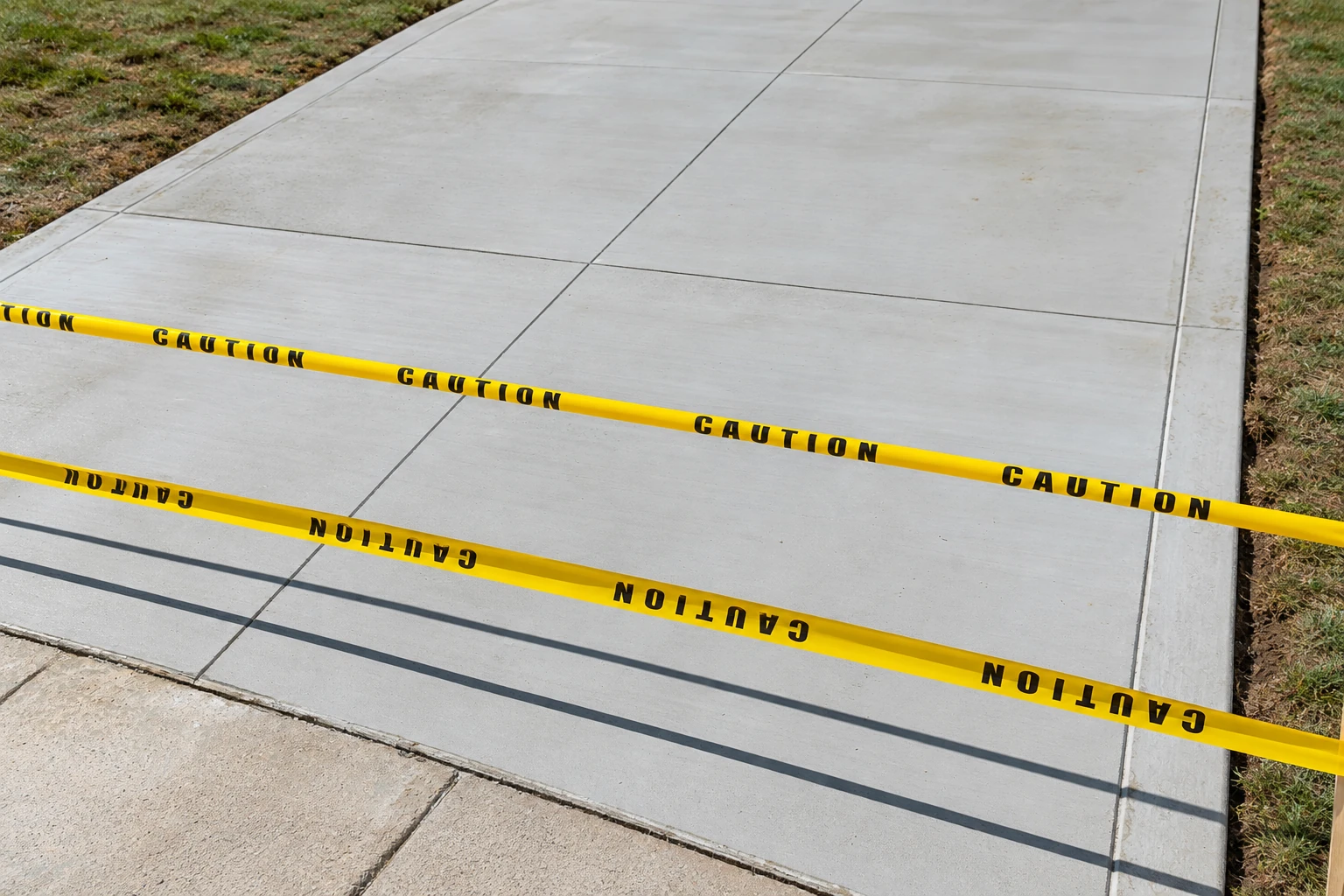
What goes into building a new sidewalk in San Fernando?
Concrete sidewalk building in San Fernando means laying out a route and levels that fit your yard, building a firm base under it, and pouring a walk that has grip when it's wet and sends water away from your house.
Most folks call us because the old walk has heaved, cracked or started holding water, or because there's a dirt path worn across the yard where a walk should be. A walk has to fit what's around it, like the doors, the driveway, the trees and where the water runs, so we lay out the route and the finished levels with you before anybody digs. The price mostly turns on how long and wide the walk is, how much old concrete comes out and whether it crosses a driveway. The schedule turns on the weather and, for a walk along the street, the city's permit. If you'd like color or a pattern, decorative concrete can go on the same walk, and your written estimate lays all of it out for your job.
How do you know it's time for a new walk?
A walk usually tells you something's wrong long before it breaks apart. These are the things homeowners point out when I come out, and what each one usually means underneath.
One edge of a panel has lifted, usually because a tree root is pushing up from underneath.
A section has sunk or pulled away from the steps, often because the dirt below washed out or settled.
Water sits in low spots after the sprinklers run, which means the walk lost its slope or never had it.
Runoff heads toward your house or garage instead of away, so the levels were set wrong from the start.
Cracks wander across the middle of panels, usually because the joints were cut too late or skipped.
The walk turns slick when it's wet, because it was troweled smooth instead of given a textured finish.
If a lifted edge is already catching toes or water is running toward your house, call now instead of waiting, since both tend to get worse.
What happens when you call us about a new sidewalk?
I'm the one who comes out to look at your walk, and I'm on site running our crew when we build it. Here's how a sidewalk job usually runs, from the first call to the day we pack up.
Call or send us a message
Call (818) 806-6170 or send a message, and I'll come out to measure the route and hear what you have in mind. I look at the doors, the driveway, the trees and where your water runs, since the walk has to fit all of them.
Get a written estimate
It spells out the prep, the work and the cleanup, so you can see where the money goes and line it up against other quotes. If the walk crosses a driveway, the extra work that spot needs is on there from the start.
Pick a date, pull permits
Once you're ready we set a date, and if the walk runs along the street we pull the city permit and handle plan check and inspections. The city reviews plans for ten days before it issues the permit, so we build that wait into your start date.
Build it and walk through
Our crew does the digging, base, pour and finishing with me on site, and we clean up as we go. Before we pack up, we walk the finished job together and I'll tell you when it's ready for foot traffic.
Get a written estimate for your new sidewalk
Send the form and we'll reply within one business day to set a time for me to come out and see the walk. The estimate is free, done on site and comes with no obligation.
- Call
- (818) 806-6170
- Hours
- Mon–Sun: 8 AM–9 PM
Base, crossings and finish on a new walk
The part I care most about is the subgrade, the dirt the walk sits on. We dig out the topsoil and roots and pack any loose fill, because a base that's only raked level settles with the dirt and takes the walk down with it. It's the first thing people want to cut since nobody sees it on day one, and the finishers I learned under as a helper would have had words for anyone who skimped there.
Where a walk crosses a driveway, the strip cars drive over usually needs a thicker or reinforced section, and it's worth asking every contractor how they handle it, since that's an easy place for quotes to differ. The base has to stay even there too, and over any spot where a utility line runs under the walk, so one side doesn't settle faster than the other.
On top, a walk should get a broom finish, a light brushed texture that gives your shoes grip, because smooth troweled concrete gets slick when it's wet. If the walk ends at a garage whose floor is cracked or sunken, we can look at garage floor concrete on the same visit so both pours line up.
Sidewalk questions from San Fernando homeowners
How much does a new concrete sidewalk cost in San Fernando?
A concrete sidewalk in the Los Angeles area usually costs about $5.50 to $11 per square foot installed, and that covers materials, labor and site prep. Where yours lands depends on how much old concrete comes out, a driveway crossing, roots and how easy the spot is to reach. The on-site estimate gives you the written number for your walk.
Do I need a city permit to build a sidewalk by the street in San Fernando?
Yes, the City of San Fernando issues construction permits for sidewalk construction or repair in the public right-of-way, handled at the Public Works Counter in City Hall. Every permit needs liability insurance naming the city as additionally insured, and work that disrupts regular traffic also needs a traffic control plan stamped by a registered traffic engineer, which takes five days to review. We're licensed and insured, and we pull the permit and work with the city through plan check and inspections.
What causes sidewalks to heave or crack, and how do you fix them?
Tree roots, expansive soil and water washing out the base are the usual causes, and a panel that heaves or settles quickly becomes a trip hazard. The fix that lasts goes after the cause, like the root or the drainage, rather than just grinding the high edge down. That's also why where a new walk runs can matter more than making it stronger.
Will a new concrete sidewalk crack like my old one?
It can, because concrete shrinks as it cures, but a packed base and well-placed joints keep cracks where you planned them instead of across the middle of a panel. Control joints, the grooves tooled or sawed across the walk, split it into panels and guide where it cracks, and they only do their job if they're cut early. Most of the ugly cracking we tear out traces back to a loose base or joints cut late or skipped.
How long does a new concrete sidewalk need to cure?
One industry guide says curing should start as soon as finishing is done and keep going for at least 3 days, using wet burlap under plastic, a curing compound or water. Curing means keeping the concrete damp so it gains strength instead of drying out too fast, which is why you'll be asked to stay off it for a bit.
What is the best time of day to pour a concrete sidewalk?
Usually outside the hottest part of the day, because concrete finished in midday heat can end up with a weak, dusty top. Wind and sun matter as much as the thermometer, since a windy, sunny day calls for stricter precautions than a calm, humid one at the same temperature, so the start time on pour day can shift with the weather.
Other concrete work around your walk
Garage floor concrete
If your new walk leads to a garage with a cracked, stained or sunken floor, it often makes sense to look at both on the same visit.
Decorative concrete
Color, stamped patterns or exposed stone can tie a front walk to the patio or entry, so it looks planned rather than added on later.
Get your new sidewalk measured and priced
Call (818) 806-6170 or use the form, and if you can tell me the walk's rough size, where it meets the driveway or street and which trees are close, I'll show up ready to talk about your job.
Mon–Sun: 8 AM–9 PM