
Foundation raising in San Fernando CA - a sturdy new base under your house
If your older house sits low, takes on water or rests on a tired foundation, we'll raise it and set it on new concrete.
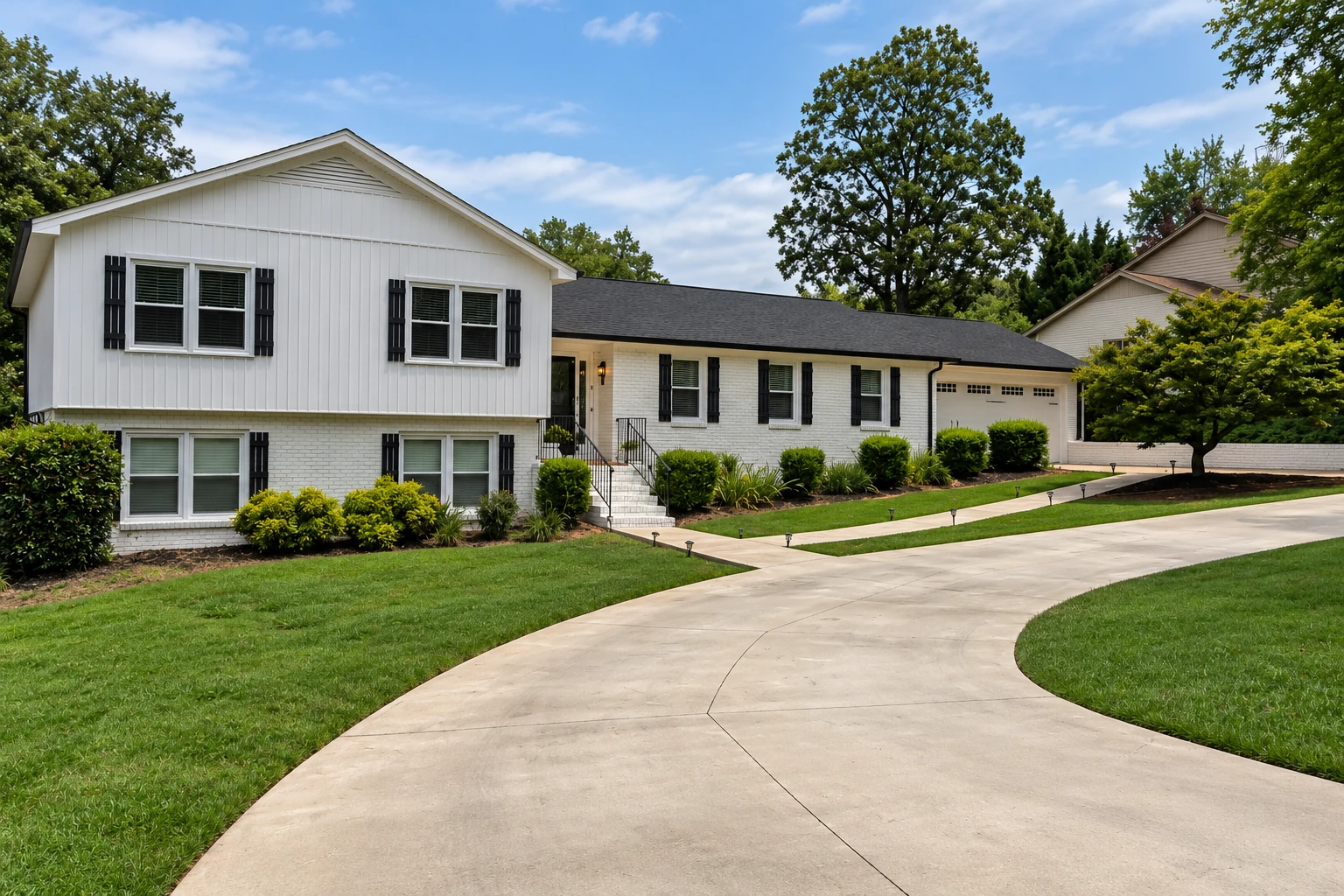
What does raising a house in San Fernando involve?
Foundation raising in San Fernando means we lift your house and underpin it, which means building new concrete support underneath, so an older home ends up on a sound foundation instead of a tired one.
Most of the calls I get about this come from owners of older homes, and I start by asking how old the house is and what it sits on now, because that tells me most of what the job needs. The price moves with the size of the house, how high it goes, whether it ends up on a slab or a crawl space and how much of the patio, walks and driveway has to come out and go back. The schedule turns mostly on the city's plan check and on any other trades your house needs, and the estimate is where you get the figures for your own house.
How do you know your house may need raising?
Most owners don't wake up wanting to lift their house. They notice water, cracks or a foundation that's seen better days, and these are the things that usually bring the call.
Rain pools against your walls or under the floor, which usually means the house sits too low.
Soil and mud sit right up against the siding, so the wood framing stays wet after every storm.
Crumbling, flaking concrete along the old foundation usually means it's near the end of its useful life.
Cracks keep opening in the foundation wall, which often means the footings aren't carrying the house well anymore.
Floors feel soft, damp or musty near the edges, often a sign water has been getting underneath for years.
You're planning a big remodel, and the old foundation under the house isn't one you'd want to build on.
If water's getting under the house or the cracks keep growing, call before the next rainy season, because wet ground only makes the job bigger.
What happens after you call us about raising your house?
Here's how a raise runs with us, from the first call to the walk-through, including where the city's review and inspections fit into the schedule.
Call or send us a message
Tell me a little about the house, and I'll set a time to come out and see it myself. Have the address, the home's age and what it sits on now handy, because that's where I start.
I come out and measure
I walk the house and the ground around it, measure, look at where the water goes and hear what you have in mind. I'll also tell you which parts our crew handles and which need another trade, so you know who's doing what.
Written estimate, then the permit
You get a written estimate that spells out the prep, the work and the cleanup, so you can see exactly what you're paying for. Once you're ready we set a date, and since the city says it can't promise a permit right away, we leave room for plan check.
We do the work together
Our crew does the work with me on site, and the city inspects Monday through Thursday mornings, so we plan for the inspector to get in on those days. When it's done, we walk the finished job together before we pack up.
Get a written estimate for raising your house
Send the form and we'll reply within one business day to set up a free visit on site. I come out, measure and listen, and there's no obligation to go ahead.
- Call
- (818) 806-6170
- Hours
- Mon–Sun: 8 AM–9 PM
Concrete, footings and the ground under a raised house
Once the house is up, the new support goes in underneath, usually concrete footings and a foundation with rebar, the steel that holds the concrete together, sitting on ground that's been dug out and packed instead of just raked level. I learned as a helper that the part nobody sees decides how a job holds up, so if the budget gets tight I'd cut a finish before I'd cut the base or the drainage.
On an older San Fernando house, how the house gets tied back down matters as much as the concrete. The state says older houses often aren't bolted to their foundations and can slide or topple off in an earthquake. So ask how your raised house will be bolted and braced, and I'll tell you plainly who handles that part.
Raising a house usually disturbs the concrete around it. Steps, walks and patio edges often have to come out, and clean saw cuts from our concrete cutting work keep the slabs you're keeping from breaking where nobody wants them to. The new floor height also changes how the walks and driveway meet the house, and we set those slopes so rain runs away from your walls.
Questions about raising a house in San Fernando
How much does it cost to raise a house near San Fernando?
Raising a house in Los Angeles usually costs about $4,000 to $68,000 per job, and the range is that wide because no two houses or foundations are alike. Treat it as a starting point, and I'll come out and put a written figure together for your house.
Who handles building permits in San Fernando?
The city's Building and Safety Division reviews all construction plans and inspects permitted projects, and it strongly encourages applying through its Online Permit Counter. When your job calls for a permit, we pull it and work with the city through plan check and inspections.
Who is licensed to raise a house in California?
The Contractors State License Board's C-21 Building Moving/Demolition class covers raising and underpinning a house in California. That class doesn't cover repairs, alterations or additions to the parts of the house that stay in place, so ask any contractor who handles that work on your job. We're licensed and insured, and I'll tell you up front which parts our crew does and which need another trade.
Should my raised house sit on a slab or a crawl space?
If you expect plumbing or electrical work down the road, I'd lean toward a crawl space, because it gives you easier access to the pipes and wires. On a slab those lines are usually set in the concrete, which makes later repairs or changes hard and potentially costly. A crawl space does need ventilation and moisture control as part of its upkeep, or it can be prone to mold, mildew and structural damage.
How do I find out if my San Fernando home is in an earthquake hazard zone?
Type your address into the state's EQ Zapp map, which shows whether it sits in a mapped zone for fault rupture, earthquake-triggered landslides or liquefaction, where the soil briefly acts like quicksand. The state says those zones trigger geologic and engineering investigations to find and deal with ground problems before construction begins, so it's worth checking early.
How do I check if my older San Fernando house is historic before raising it?
Ask the city, because San Fernando's citywide historic survey identified potential historic resources among the properties it looked at. It's a good question to settle on an older home before plans for a raise get very far.
Concrete work that often goes with a raise
Concrete cutting
When steps, walks or a patio edge sit in the way of the lift, clean saw cuts let us take out just that piece and keep the rest.
Concrete driveway building
A raised house often leaves the old driveway meeting the garage at the wrong height, and a new one can carry rain away from the walls.
Call about raising your house today
We answer (818) 806-6170 any day from 8 AM to 9 PM, or send the form with your address, the home's age and what it sits on now.
Mon–Sun: 8 AM–9 PM